About the Artist
Chris Adessa
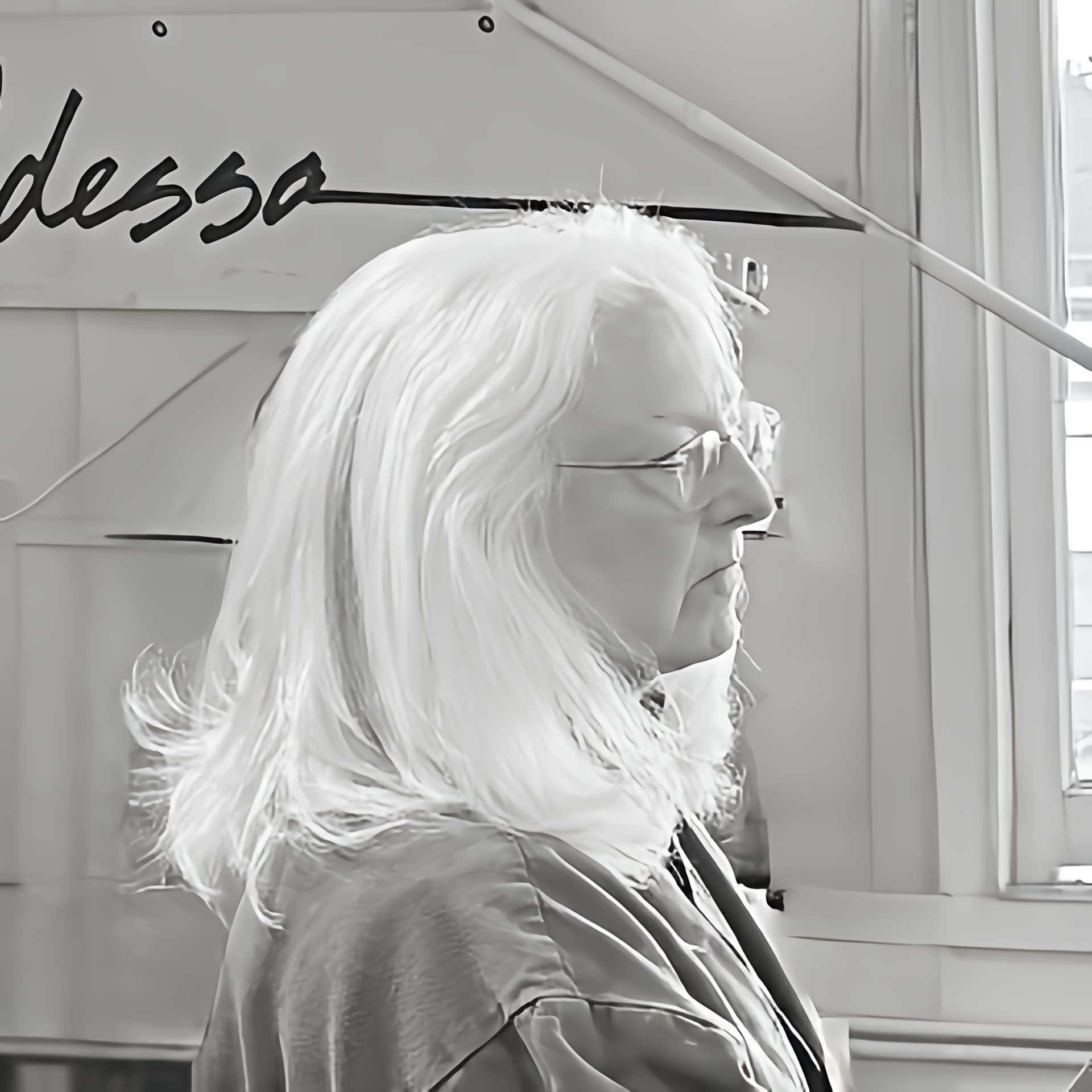
Years ago, Chris Adessa developed a reaction to chemicals, and from then on she could no longer work in an enclosed space with other artists' solvents and materials. It could have ended her path as a painter. Instead, it shaped it. She kept painting in her Sausalito studio, always with the window open next to her easel, and took her classes outside. Plein air painting grew out of that choice, and for many years it was the heart of her work. Painting outdoors is the most challenging of conditions, and in her own words, "From it I became very adaptable and found ways to create I would not have otherwise." Born in New York State, Chris was drawn to the San Francisco Bay Area more than 30 years ago by its magnificent beauty and gentle climate. She earned a BS in Fine Art and Education at Pennsylvania State University and an MBA at the Darden School of the University of Virginia, and she kept learning through workshops and classes with the painters she admires most, among them Chester Arnold, Randy Sexton, Brian Blood, Jeff Beauchamp and Van Waldron. "I hear their voices even today as I make choices when I paint," she says. Her landscape years took her to the ranches and rolling hills of West Marin, to Point Reyes, Mount Diablo, the Channel Islands and the Adirondacks. Much of that work gave back to the land she loves: she has supported causes such as the Marin Agricultural Land Trust, Save Mount Diablo and the Point Reyes National Seashore by donating a percentage of her sales. Today, as a contemporary realist, she paints her series Everyday Sacred: portraits of commonplace, enduring objects such as a light bulb, a paintbrush, a pile of books or a cardboard box, in a finely nuanced monochrome palette. "Using a black and white palette takes me back to the day when photographs were in black and white," she says. The series honors the quiet beauty of ordinary moments and daily rituals, a reminder that the sacred is not distant or rare but woven into everyday life. Chris paints in a studio overlooking the San Francisco Bay in the historic ICB building in Sausalito. Her work has been shown in museums and galleries across the United States, including the di Rosa Center for Contemporary Art, the Triton Museum of Art and MarinMOCA, and it is held in collections around the globe, among them UCSF Hospital and Jane Goodall's. In June 2026 she presented Everyday Sacred as a solo invitational in Mill Valley. I can't see how the live pages look, because their text loads in a way my web reader can't pick up and your screenshot PDF is images only. Tell me what looks messed up, for example missing paragraph breaks or wrong characters, and I'll find the cause.
“Chris Adessa paints the extraordinary in the ordinary: a paintbrush, a teapot, a kitchen knife, a box of tissues, each given the attention of a portrait. Working in oil and a finely nuanced monochrome palette in her Sausalito studio above the San Francisco Bay, she strips away color so the viewer sees form and function at the same time.”
The Process
Inside the Studio
The Painting Process
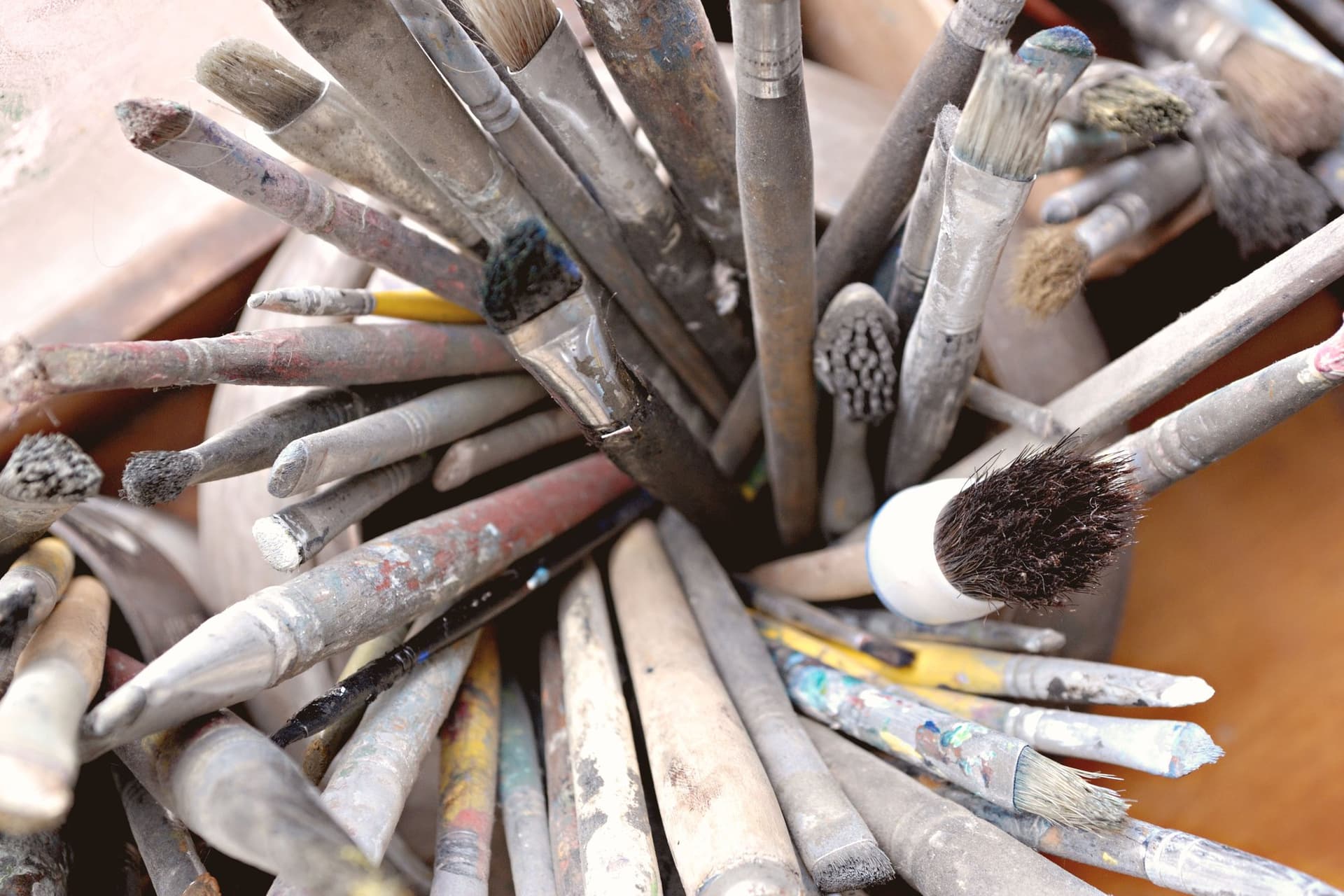
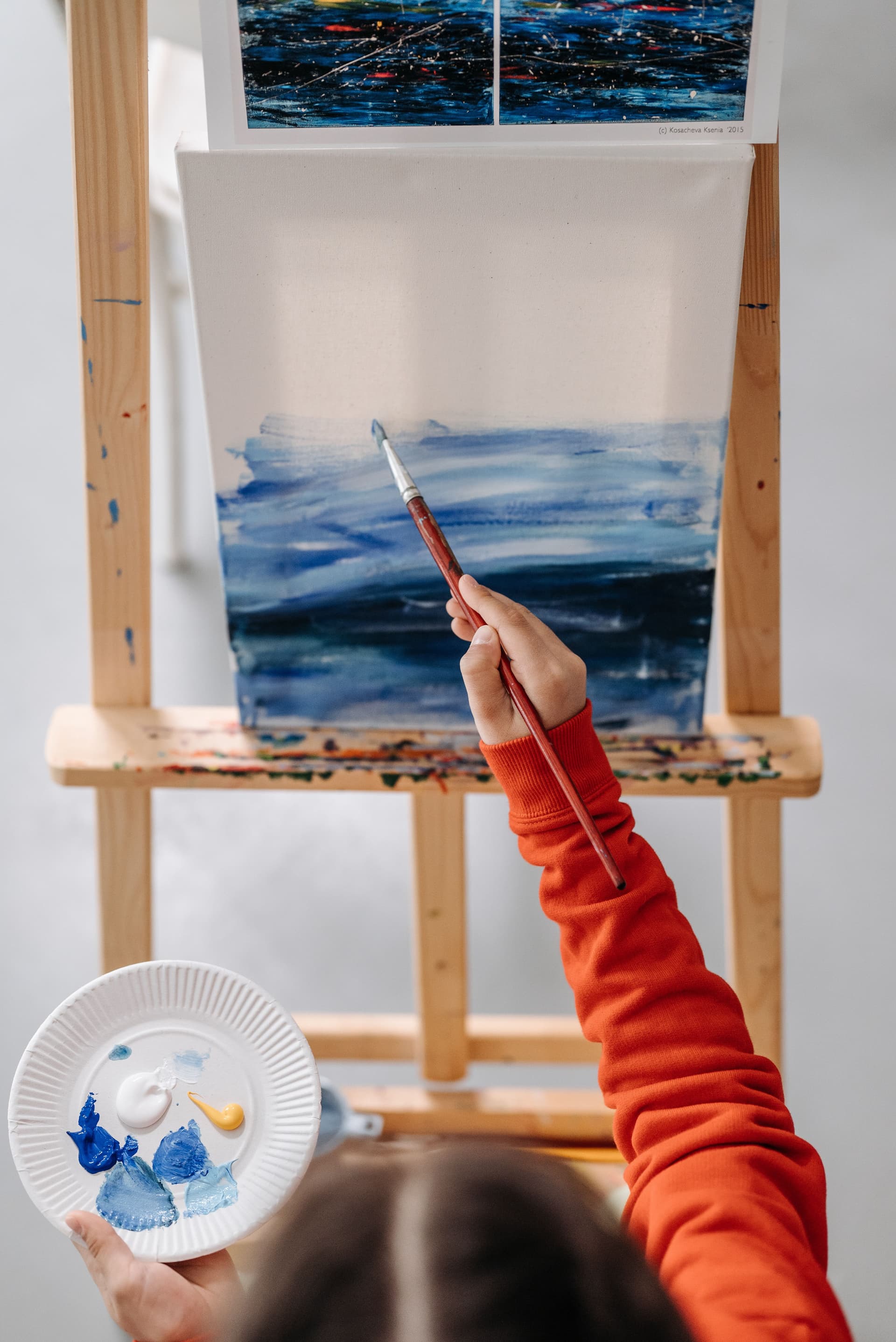
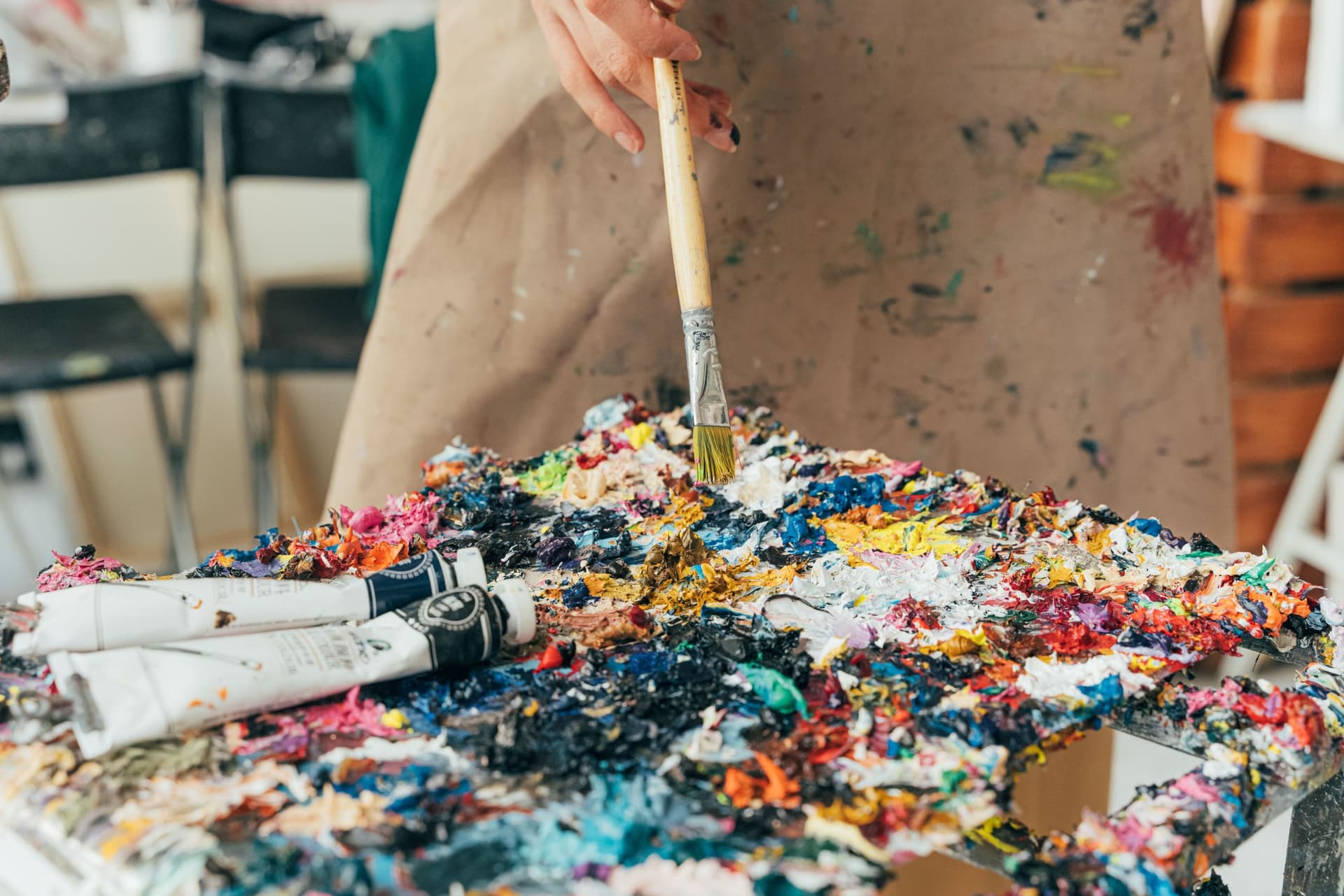
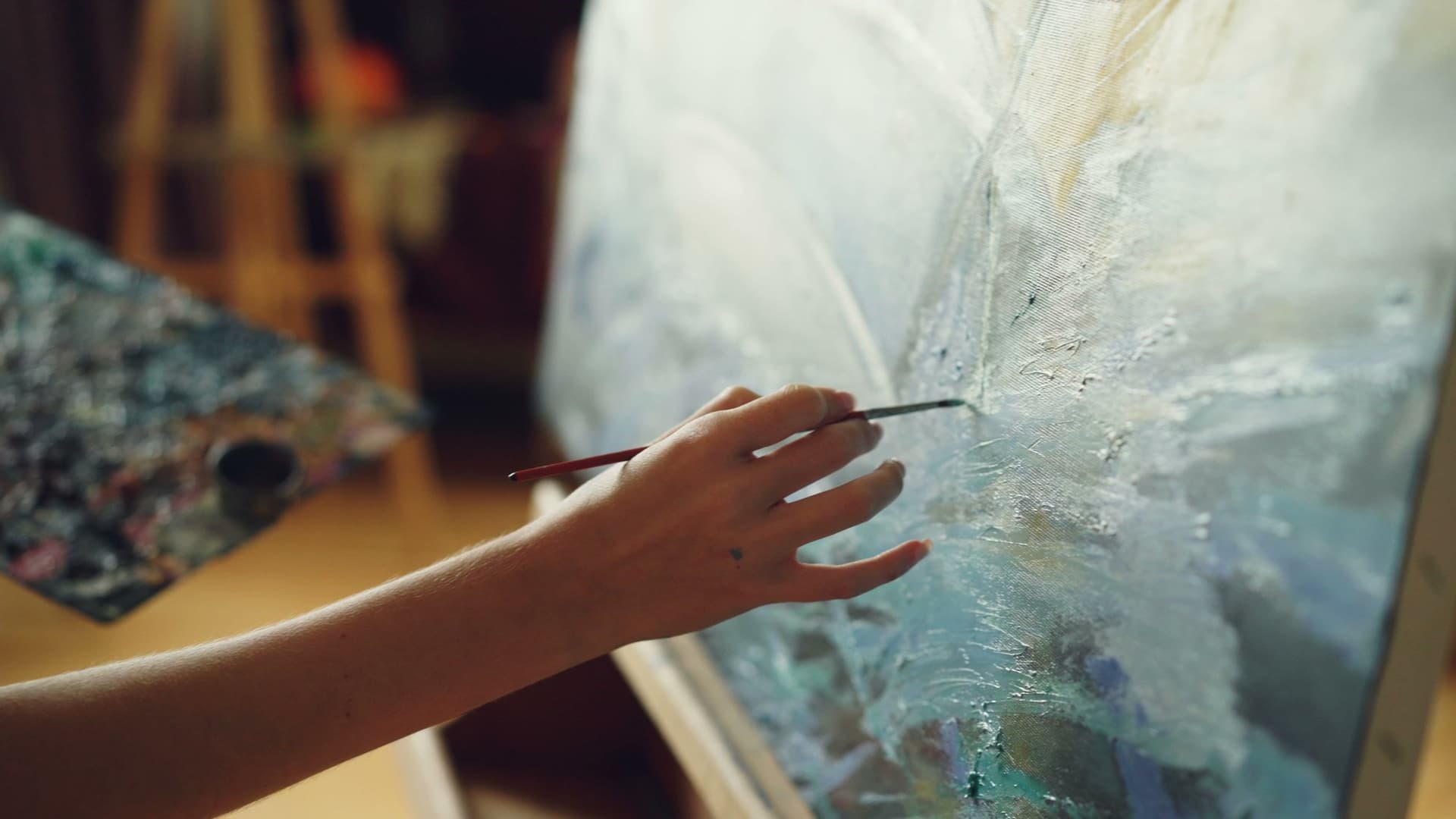
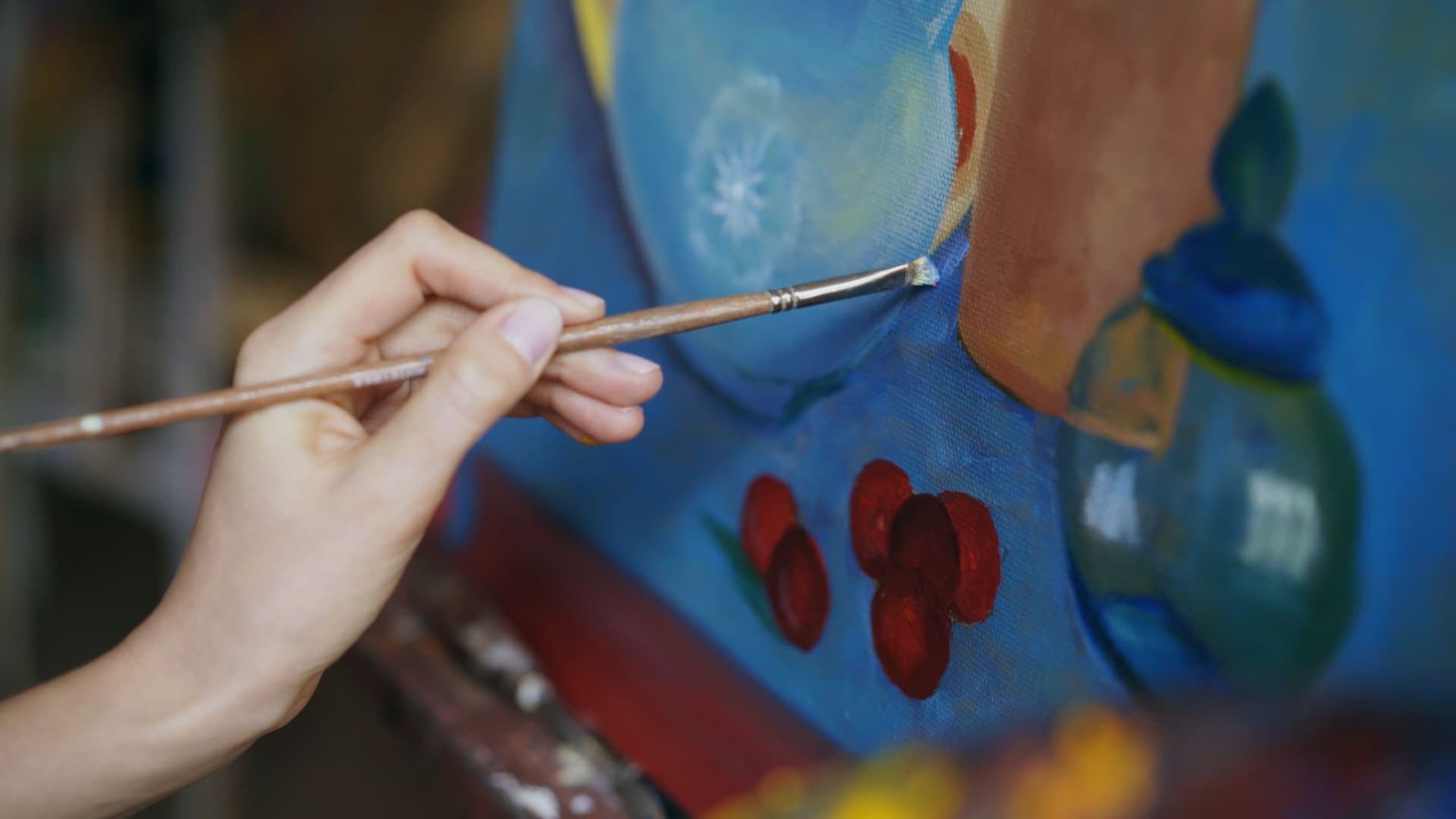
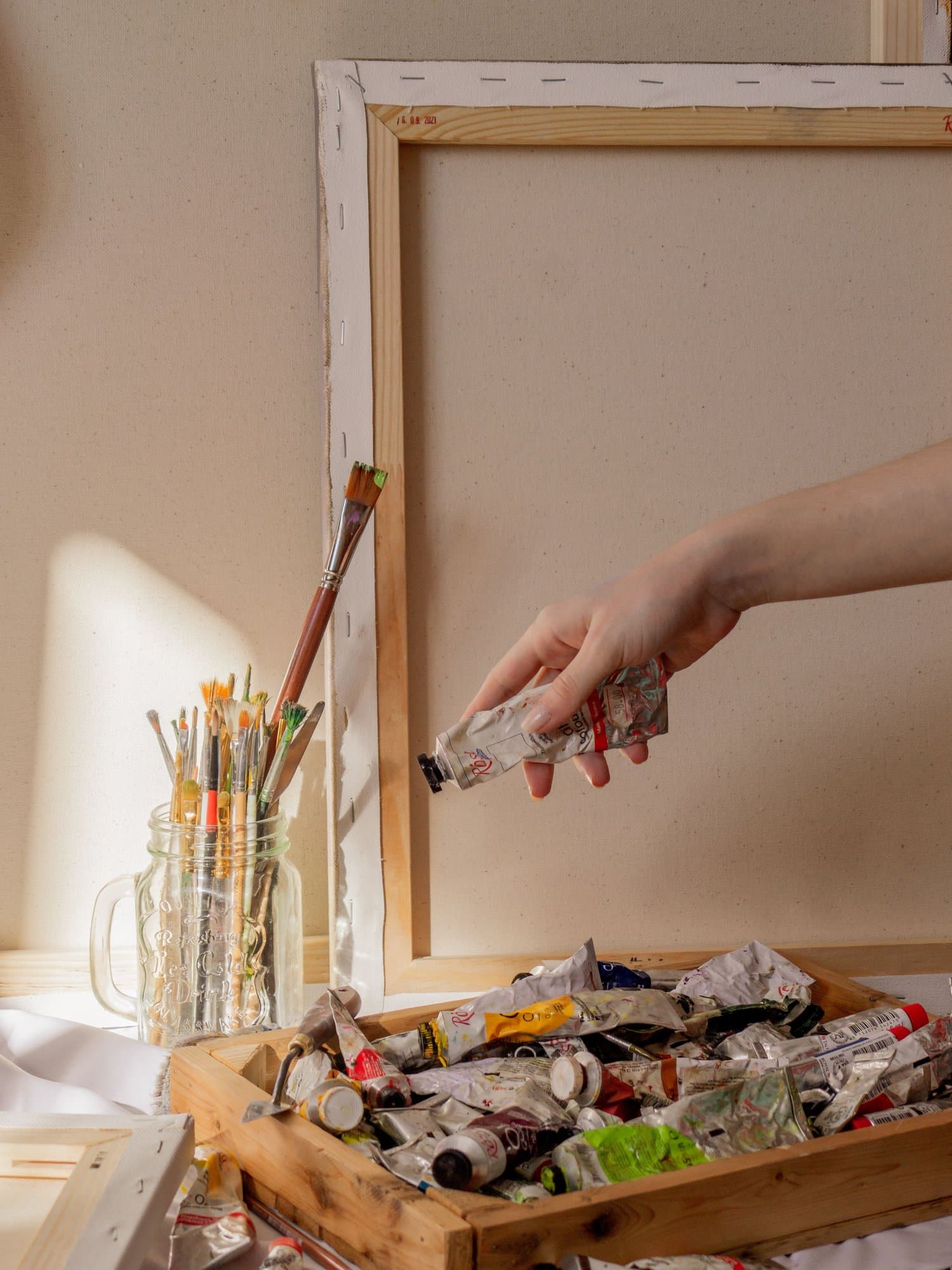
Every painting begins with a choice. Chris Adessa looks for an object so familiar it is easy to overlook: a light bulb, a paintbrush, a kitchen knife, a teapot, an old button hook. She weighs its form, function and details before she decides what to paint. "It grounds me as I let the subject talk to me and tell me about itself," she writes. "And then I paint." She paints in oil, mostly on panel, sometimes on canvas or linen, and often on tall, narrow panels of 48 by 12 inches that give a single object the presence of a standing portrait. Color stays out on purpose. Working in a finely nuanced range of blacks, whites and greys, she lets the viewer take in form and function at the same time, the way an old black-and-white photograph does. The meaning sits in the details: each subtle shift reveals something more, and, in her words, "my choice of details discloses as much about me as the subject." Her studio habits come from her years outdoors. A reaction to chemicals means she cannot share an enclosed room with other artists' solvents, so she paints with the window open next to her easel, in her studio above the San Francisco Bay in the historic ICB building in Sausalito. Many years of plein air painting, in the most challenging of conditions, taught her to adapt and to find ways to create she would not have found otherwise, and the voices of her teachers still guide her choices at the easel. The objects she paints are often ones she lives with. Her Santoku is the knife she turns to for most every task, "lovingly cared for, used and painted." Collectors can see the work in person during ICB/ART open studios or by appointment.